










Acidulants and preservatives are the workhorses of beverage formulation. Acidulants set the tartness profile, contribute to flavor balance, and lower pH into the range where microbial growth is suppressed. Preservatives extend that protection through distribution and shelf life.
But the two are not chosen independently. The right preservative depends on the final pH, and the right acidulant depends on the target flavor and the preservative system it needs to support. This guide outlines the practical decision logic for the most common beverage categories.
The Starting Point: pH Determines the Preservation Strategy
Microbial stability in beverages is fundamentally a pH question. Solutions with pH below 4.0, and especially below 3.0, are typically microstable—they resist growth of most spoilage organisms without additional preservatives . Above that threshold, preservatives become essential rather than optional.
This means the first formulation decision is not “which preservative” but “what pH does this product need.” That answer is driven by sensory targets (sourness intensity), stability of other ingredients (protein, color, vitamins), and the intended shelf life and distribution conditions.
Category 1: Carbonated Soft Drinks (pH 2.5–3.5)
Carbonated beverages are typically the simplest case. The combination of low pH and carbonation creates a hostile environment for most microbes. Preservatives are often unnecessary unless the product is a low-acid or non-carbonated variant.
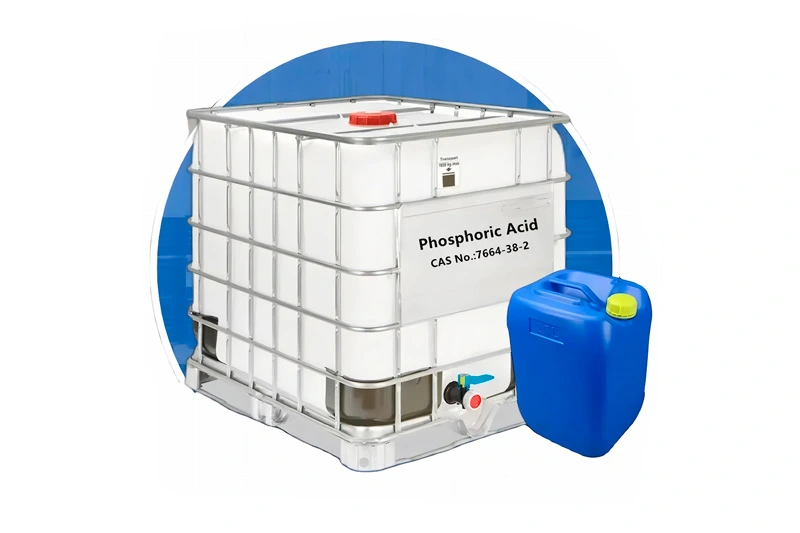
Acidulant choice: Phosphoric acid is the traditional choice for cola-type flavors because it contributes a dry, sharp acidity that complements caramel and spice notes. Citric acid is more common in fruit-flavored carbonates, where its bright, citrus-forward profile aligns with the flavor system. Malic acid can add a lingering tartness in certain fruit profiles.
Preservative note: If a preservative is used in a carbonated beverage, benzoate and sorbate are the typical options, but the low pH means usage levels can be minimal.
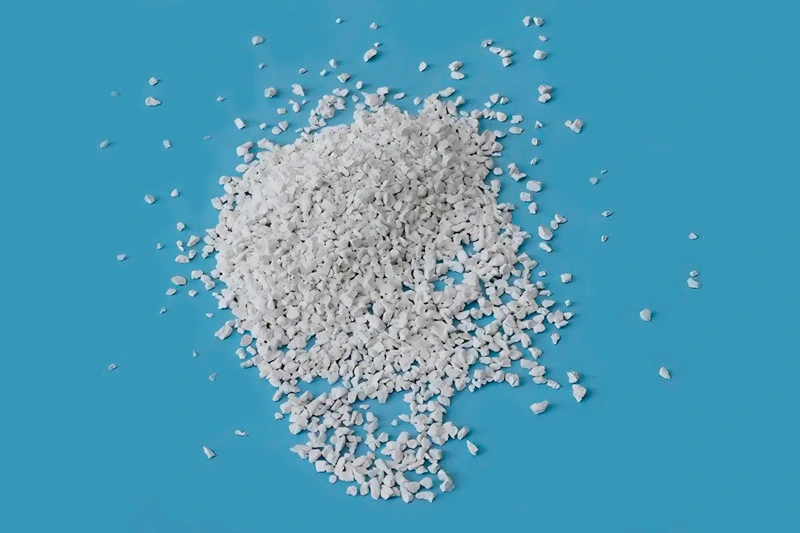
Bakechem products: Glacial acetic acid (for vinegar-based carbonates), citric acid, malic acid, sodium benzoate, potassium sorbate.
Category 2: Fruit Juices and Juice Drinks (pH 3.0–4.0)
Juice-based products sit in a more demanding zone. Natural juice pH varies by fruit, and the presence of pulp, sugars, and nutrients creates more microbial risk than a clear carbonate.
Acidulant choice: Citric acid is the standard for most fruit profiles, reinforcing the natural acidity of the juice. For apple and pear profiles, malic acid provides a more authentic character. Tartaric acid appears in grape-based formulations.
Preservative choice: Sodium benzoate and potassium sorbate are the workhorses. Their efficacy is pH-dependent: benzoate is most effective below pH 4.0, while sorbate performs across a wider range. Many formulators use a combination to broaden the spectrum .
Critical point: The maximum permitted levels for these preservatives vary by market. For example, China’s GB 2760 sets different limits for “water-based flavored drinks” versus “juice-based drinks” . Export formulations must be built against the destination market’s limits, not a generic reference.
Bakechem products: Citric acid, malic acid, sodium benzoate, potassium sorbate.
Category 3: Functional and Protein Beverages (pH 3.5–4.5)
This is where formulation gets harder. Protein beverages, dairy-based drinks, and added-value functional products often need to sit at a pH where both protein stability and microbial control are challenging.
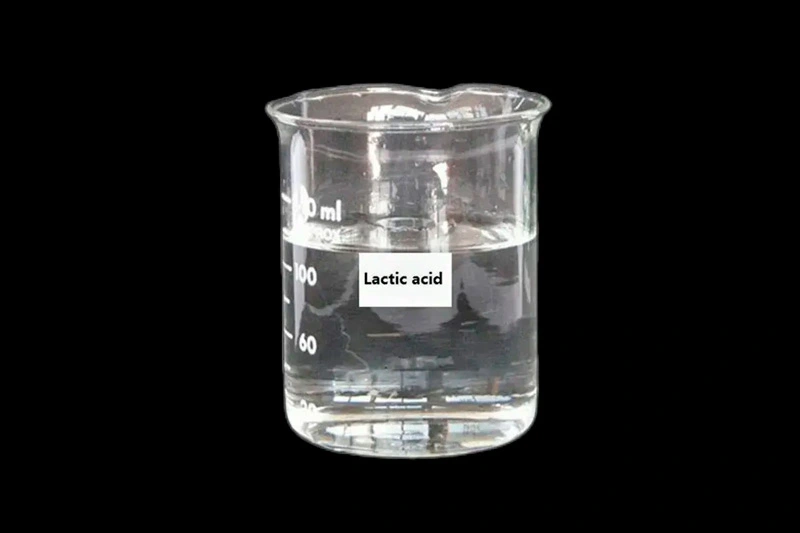
Acidulant choice: The acidulant must be selected for compatibility with the protein system. Citric acid can cause protein precipitation in some dairy systems if added without control; lactic acid or a buffered acid system may be more appropriate. Malic acid can work in clear protein waters but requires sensory testing.
Preservative choice: The higher pH reduces the efficacy of benzoate and sorbate. In these systems, preservative selection often shifts toward combinations or toward process-based controls (thermal treatment, aseptic filling) with preservatives as a secondary hurdle.
Bakechem products: Citric acid, lactic acid, sodium benzoate, potassium sorbate.
A Practical Selection Checklist
Before finalizing an acidulant/preservative pairing, confirm:
Target pH after acidulation. Measure, don’t estimate. The acidulant’s buffering capacity affects the final pH more than its addition level alone.
Preservative pKa and effective pH range. Benzoate and sorbate have different effective windows. Match the preservative to the actual pH, not the intended pH.
Destination market limits. Maximum usage levels for both acidulants and preservatives differ between FDA, EU, and GB 2760. Build the formulation against the strictest relevant limit.
Flavor interaction. Acidulants contribute more than sourness. Phosphoric acid reads “dry,” citric reads “bright,” malic reads “green/apple.” Test the acidulant in the final flavor system, not in water.
Process contribution. Carbonation, thermal processing, and fill temperature all affect the preservative burden. A preservative that is adequate for a cold-filled product may be insufficient for a hot-filled one.
How Bakechem Supports Beverage Formulators
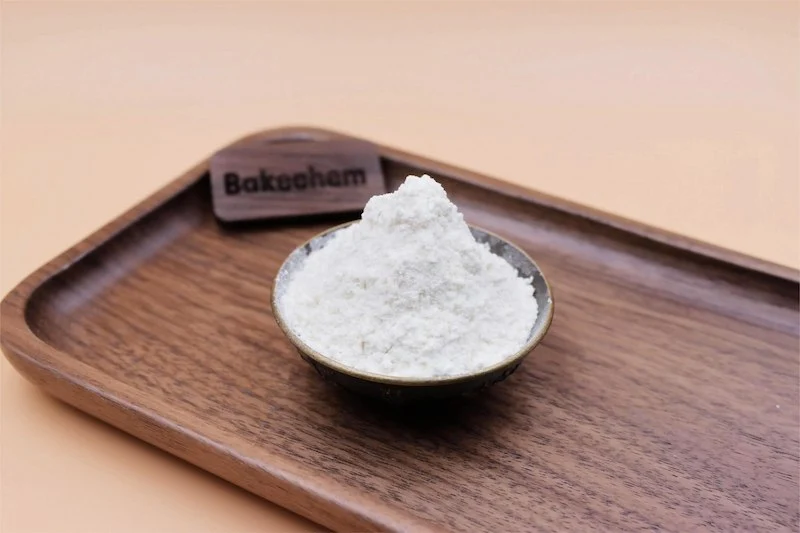
Bakechem supplies acidulants including citric acid, malic acid, and glacial acetic acid, along with preservatives such as sodium benzoate and potassium sorbate, to beverage manufacturers across more than 50 countries. Our technical team can provide product specifications, regulatory limit references for target markets, and sample quantities for formulation trials.
For formulators working on a new beverage system, contact us with your target pH, product category, and destination market, and we will recommend the appropriate grade and documentation package.